Christmas: History, Traditions and Celebrations Around the World
By Archit Bhargava ·
Christmas, celebrated on 25 December, marks the birth of Jesus Christ and is the biggest festival in Christianity. Over the centuries it has also become a season of lights, carols, gifts, family meals and cards, enjoyed as a cultural celebration by many people who are not Christian, from Japan to India.
Quick facts
- Christmas date: 25 December (6 or 7 January in some Orthodox churches that follow the Julian calendar)
- Christmas Eve: 24 December, when many families gather and attend midnight mass
- Celebrates: the birth of Jesus Christ
- Season: Advent, the four weeks before Christmas, through to Epiphany on 6 January
- Key traditions: Christmas tree, carols, Santa Claus, gifts, midnight mass, festive meals and cards
- First commercial Christmas card: London, 1843
When is Christmas celebrated?
Most of the world celebrates Christmas on 25 December, with Christmas Eve on 24 December and, in the United Kingdom and many Commonwealth countries, Boxing Day on 26 December. The season of Advent begins four Sundays before Christmas and counts down the days.
Some Orthodox churches, including those in Russia, Serbia and Ethiopia, still follow the older Julian calendar, so their Christmas falls on 6 or 7 January. The New Year comes one week later, and we cover it in our guide to why we celebrate New Year.
What is Christmas and why do we celebrate it?
Christmas celebrates the birth of Jesus Christ, whom Christians believe to be the son of God. The Bible does not give a date for his birth. The earliest record of 25 December being kept as Christmas comes from Rome in the fourth century, and the date spread from there across the Christian world.
Over time, Christmas picked up customs from many places, such as evergreen decorations, candlelight, feasting and gift-giving. Today it is both a religious festival and a family holiday, and for many people the heart of it is simply being with the people they love.
Where do Christmas traditions come from?
The Christmas tree
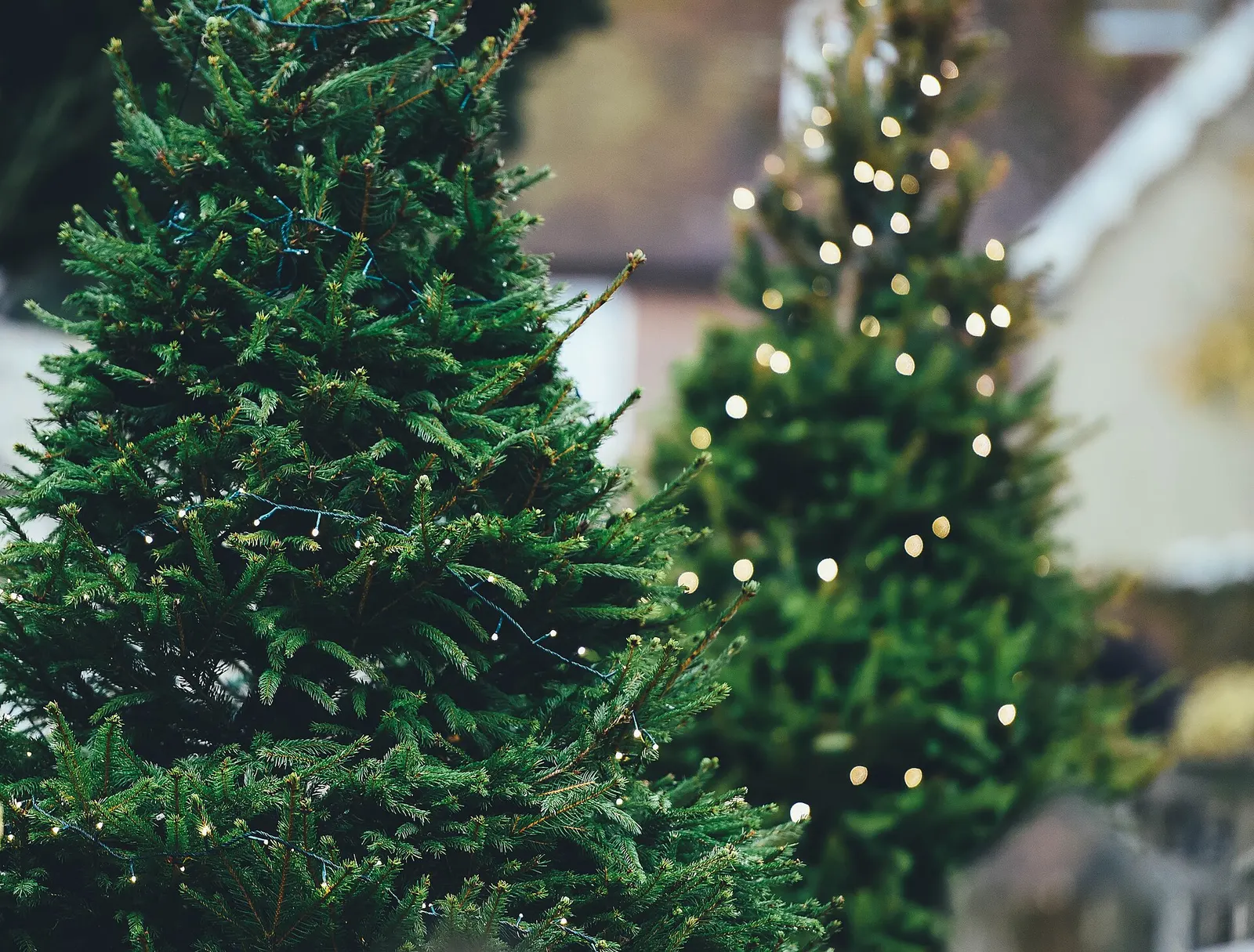
Bringing an evergreen tree indoors and decorating it began in Germany, with records from the sixteenth century. The custom reached Britain and then much of the world after an 1848 engraving showed Queen Victoria and her family gathered around a decorated tree.

Santa Claus
Santa Claus is based on Saint Nicholas, a fourth-century bishop of Myra, in modern Turkey, who was known for his generosity to the poor. The Dutch figure Sinterklaas travelled to America with settlers, and his name became "Santa Claus" in English. Today he is the red-suited gift-bringer who arrives on Christmas Eve.
Gifts and Christmas Day
Giving gifts at Christmas is linked to the gifts of the Magi in the Christmas story, to Saint Nicholas, and to the older midwinter custom of exchanging presents. In many homes the day starts with unwrapping presents and continues with a long family lunch.

Christmas cards
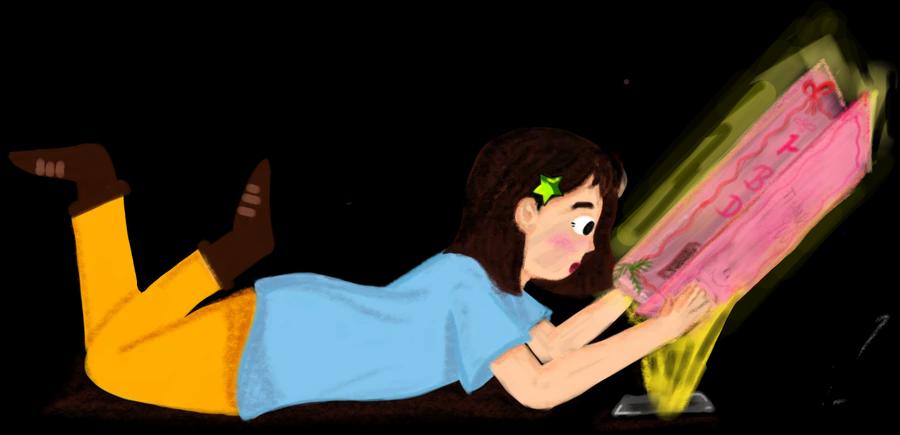
The first commercial Christmas card was made in London in 1843 by Sir Henry Cole, who had it illustrated by the artist John Callcott Horsley and printed in a run of about a thousand copies. Sending a card quickly became part of the season, and it is still the simplest way to tell someone you are thinking of them, even from far away.
Carols and church
Carols, songs of the season, are sung in churches, on doorsteps and around the tree. On Christmas Eve, many Christians attend midnight mass or a candlelit service, a tradition that is especially loved in countries such as India, the Philippines and Poland.
How is Christmas celebrated around the world?
- Mexico: Las Posadas reenacts Mary and Joseph's search for shelter over nine nights from 16 December, with processions, songs and piñatas. The poinsettia, native to Mexico, is the festive flower.
- Philippines: The Christmas season starts as early as September and is among the longest in the world. Families attend Simbang Gabi, nine dawn masses before Christmas, and hang star-shaped parol lanterns.
- Germany: Christmas markets, Advent calendars and candlelit wreaths fill December, and gifts are traditionally opened on Christmas Eve.
- Sweden: Saint Lucia's Day on 13 December opens the season, with a procession of children in white robes carrying candles.
- Iceland: Jólabókaflóð, the "Christmas book flood", means giving books on Christmas Eve and spending the evening reading with chocolate.
- Japan: Christmas is not a religious holiday, but it is a festive one. Christmas Eve means fried chicken and Christmas cake, a habit that took off after a famous 1974 marketing campaign.
- Australia: Christmas falls in summer, so lunch is often a barbecue or a day at the beach.
- Ethiopia: Genna is celebrated on 7 January, with church services and traditional food.
- India: Christmas is a public holiday across the country. Goa, Kerala and the North-East are especially known for midnight mass, carol singing, star lanterns and plum cake.
What food is eaten at Christmas?
Christmas food varies by country. In the United Kingdom and the United States, roast turkey is the classic main course, followed by Christmas pudding or pie in Britain. Italy bakes panettone, France serves a chocolate log called the bûche de Noël, and in India, rich plum cake and sweets such as kulkuls are shared with neighbours in Christian communities. Wherever you are, the common thread is sharing a meal with family and friends.
Christmas wishes to send
- "Wishing you a warm, bright and joyful Christmas. Merry Christmas!"
- "May your home be filled with love, laughter and good food this Christmas."
- "Sending you peace, joy and a little bit of Christmas magic."
- "Though we are far apart, you are in my thoughts this Christmas."
- "Merry Christmas to a team that made this year special. Thank you!"
How can I send a Christmas card?
The easiest way is a digital card. On Wishrsha you can pick a template, add your own message and photo, and share the card as a single link on WhatsApp, email or any messaging app. No printing, no postage, and it arrives instantly, wherever the person is.
If you prefer something printed, browse the Christmas cards from our partners. And if you want to wish a whole team, you can send personalised cards in bulk with each person's name on their card.
Frequently asked questions
Why is Christmas celebrated on 25 December?
The Bible does not give the date of Jesus's birth. The earliest record of Christmas being kept on 25 December comes from Rome in the fourth century, and the date spread from there. Some Orthodox churches that use the Julian calendar celebrate on 6 or 7 January instead.
Who sent the first Christmas card?
The first commercial Christmas card was produced in London in 1843 by Sir Henry Cole, with an illustration by John Callcott Horsley.
Where does Santa Claus come from?
Santa Claus is based on Saint Nicholas, a fourth-century bishop of Myra, in modern Turkey, known for his generosity. The Dutch Sinterklaas became "Santa Claus" in English.
Is Christmas only for Christians?
Christmas is a Christian religious festival, but it is also widely enjoyed as a cultural and family holiday, including in countries such as Japan and India where Christians are a minority.
When does the Christmas season start and end?
For many Christians the season begins with Advent, four Sundays before Christmas, and runs through to Epiphany on 6 January. In some places, such as the Philippines, the festivities begin even earlier.
Further reading
- Christmas on Wikipedia
- Christmas card on Wikipedia
- Christmas tree on Wikipedia
- Saint Nicholas on Wikipedia
Photos: Annie Spratt, Charlotte Coneybeer and Pixel.la, shared under CC0 (public domain) via Wikimedia Commons.
This article was drafted with the help of AI and reviewed and edited by Archit Bhargava.